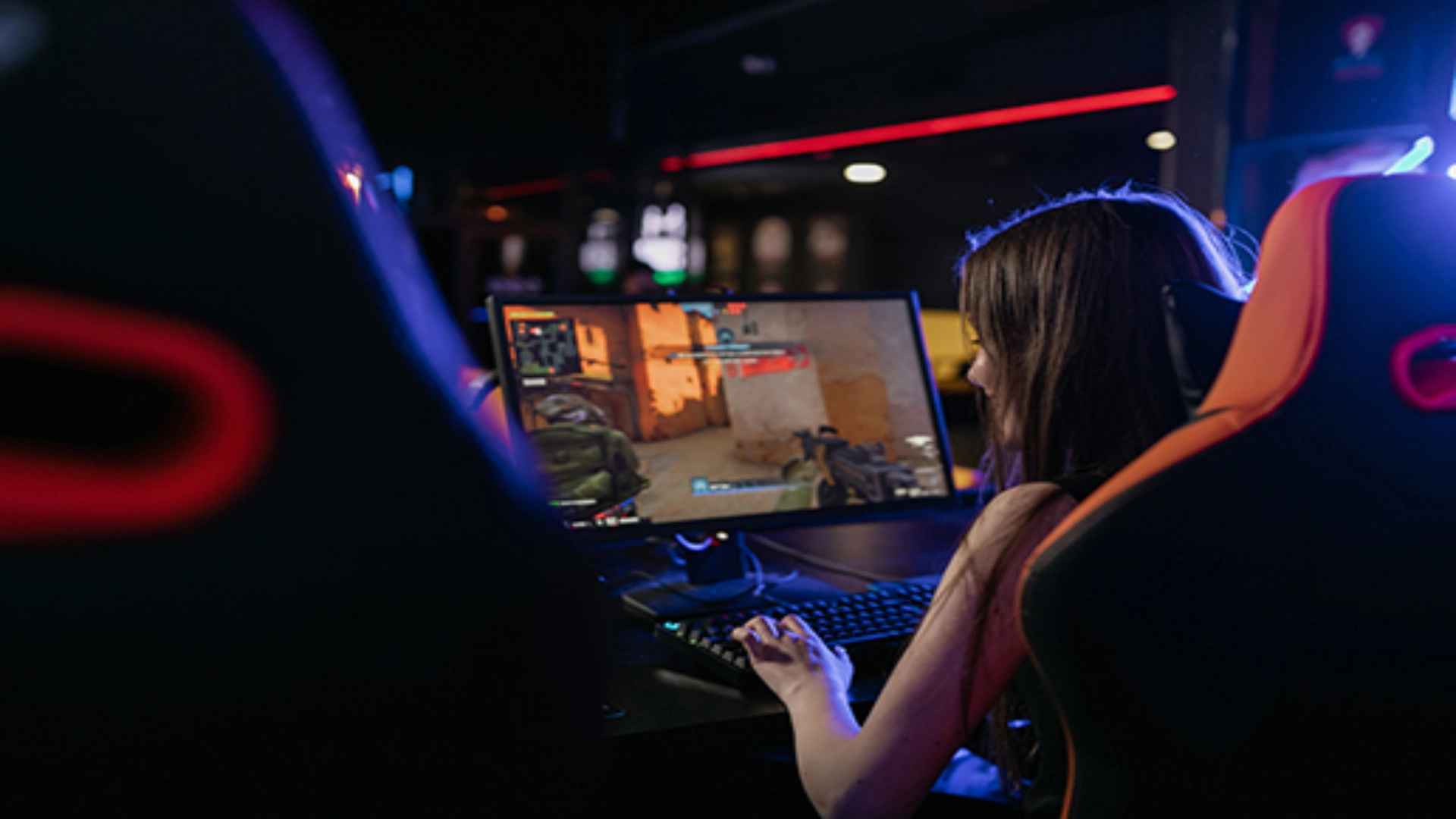
The modern multiplayer gaming landscape has evolved significantly, shifting from straightforward tests of physical reflexes into deep intellectual arenas. Today, succeeding in competitive virtual spaces requires an exceptional understanding of positioning, resource management, and team-wide synchronization. Players who invest time into developing highly coordinated approaches consistently outperform those relying purely on mechanical skill.
The Core of Tactical Drafting and Preparation
A powerful match strategy begins long before players enter the digital battlefield. Analyzing the strengths and weaknesses of different character compositions allows teams to build a versatile setup capable of countering various enemy tactics. This initial drafting phase establishes a firm foundation for controlling the subsequent flow of the entire match.
Understanding how specific abilities complement one another gives groups a massive advantage during sudden skirmishes. Experienced squads carefully coordinate their chosen loadouts to handle diverse map zones and situational threats. By securing a well-rounded lineup early on, players can confidently dictate the engagement terms.
Adapting Positions in Real Time
Spatial awareness and positioning serve as the foundational elements of any dominant competitive strategy. Controlling high-ground zones, choke points, and crucial sightlines prevents opposing teams from launching successful surprise offensives. Consistent movement and map awareness ensure that your squad is never caught out of position during vital objectives.
To elevate your current gaming setups and explore interactive options that enhance competitive engagement, you can utilize the right tools like the game stick m88 for seamless modern entertainment. Maintaining optimal spacing between squad members ensures that teammates can instantly trade eliminations or provide defensive support. Fluid positioning ultimately turns a standard defensive line into an unbreakable fortress.
Managing Economy and Shared Resources
Many modern competitive environments feature intricate in-game economies that demand meticulous calculated planning. Tracking team funds, weapon purchases, and ultimate ability cooldowns determines when to push aggressively or save assets. Teams that master resource allocation can maintain sustained pressure even during extended rounds.
Mismanaging these shared assets frequently leads to vulnerable rounds where the opposition holds a distinct gear advantage. Clear communication regarding who buys specific utility items prevents waste and ensures the group acts as a singular financial unit. Balanced resource management bridges the gap between individual performance and comprehensive victory.
Psychological Momentum and Communication
Executing high-level tactics requires flawless communication under extreme competitive pressure. Relaying short, precise voice cues regarding enemy placements and dynamic state changes keeps the team aligned instantly. This continuous information flow reduces cognitive load and allows individuals to focus entirely on their specific roles.
Maintaining positive team morale during difficult rounds is equally vital for securing long-term victories. Responding calmly to sudden setbacks prevents tactical collapse and allows the squad to execute necessary adjustments seamlessly. Ultimately, mental resilience combined with structural discipline separates casual players from true competitive masters.