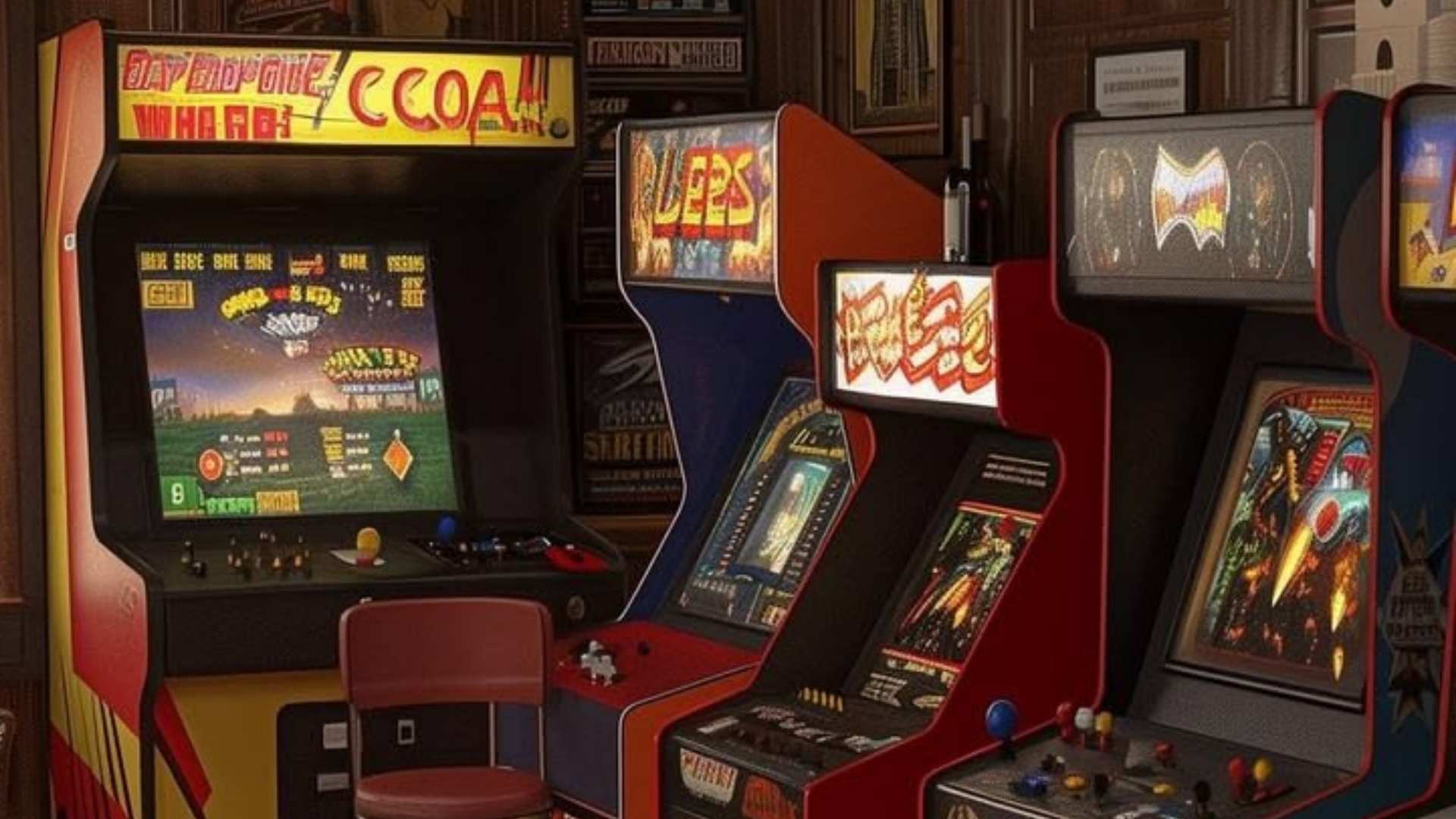
The digital arcade landscape has evolved into a sophisticated arena where game mechanics are specifically designed to capture and hold human attention through various psychological triggers. By blending high-speed action with rewarding feedback loops, these games create an immersive environment that keeps players returning for more excitement.
The Psychology of Immediate Feedback
One of the primary reasons arcade games are so effective at maintaining engagement is their ability to provide instant gratification to the player. Every successful move or cleared level results in immediate visual and auditory rewards that trigger a satisfying sense of accomplishment.
This constant stream of positive reinforcement encourages players to enter a state of flow where they lose track of time and focus entirely on the screen. The balance between a daunting challenge and the tools to overcome it is what defines a truly successful arcade experience.
Modern developers study these behavioral patterns to ensure that the difficulty curve remains steep enough to be interesting but fair enough to prevent frustration. This delicate equilibrium is the secret sauce behind the most legendary titles in gaming history.
Social Competition and Global Leaderboards
The transition from local high-score tables to global digital leaderboards has fundamentally changed the way we interact with arcade challenges. Knowing that your performance is being measured against thousands of others adds a layer of prestige and motivation that solo play lacks.
Many players find themselves driven by a competitive spirit, practicing for hours to climb just one more rank in the international standings. This communal aspect transforms a simple game into a shared social journey where skill and dedication are publicly recognized.
For those looking to explore high-stakes environments and competitive platforms, visiting a reputable M88 casino can offer insights into how modern gaming hubs manage large-scale user engagement. These platforms often lead the way in implementing sophisticated reward systems that keep communities active and vibrant.
Dynamic Gameplay and Infinite Variety
To keep players fully engaged over long periods, developers have introduced procedural generation and dynamic level scaling into the arcade genre. This ensures that no two sessions feel exactly the same, forcing players to adapt their strategies constantly.
By offering a wide variety of themes, power-ups, and hidden secrets, these games provide a sense of discovery that rivals much larger role-playing titles. The excitement of uncovering a new mechanic or a rare item keeps the gameplay loop feeling fresh and unpredictable.
Furthermore, the accessibility of these titles means that players can jump in for a five-minute break or settle in for an all-night marathon. This versatility is a key component in why the arcade format remains a dominant force in the digital entertainment industry.
Technological Advancements in Immersion
Modern web technologies have allowed arcade games to feature stunning high-definition graphics and complex physics engines that were once reserved for home consoles. This visual fidelity creates a deeper sense of immersion, making every explosion and movement feel more impactful.
Advanced audio design also plays a crucial role by using spatial soundscapes to alert players to incoming threats or hidden bonuses. When multiple senses are engaged simultaneously, the brain becomes more receptive to the game world and less distracted by external interruptions.
As virtual reality and augmented reality continue to mature, we can expect the next generation of arcade entertainment to be even more captivating. The future of the genre lies in creating seamless, multi-sensory experiences that blur the lines between the digital and physical worlds.